
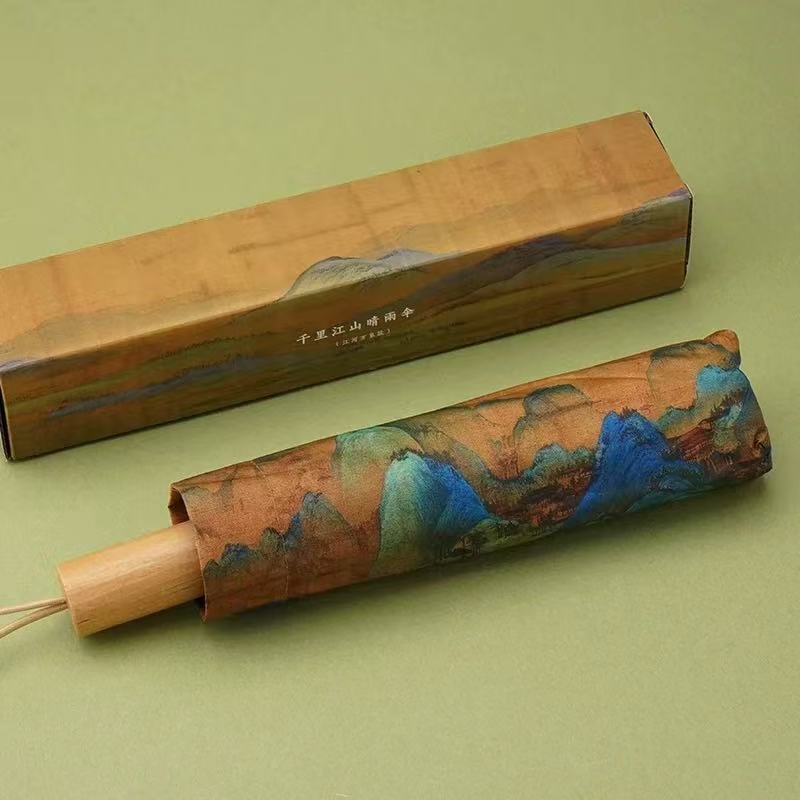
Museum Merchandise Guide · Premium Cultural Retail · Updated for 2026
From the British Museum to the Forbidden City: How Custom Museum Umbrellas Are Engineered, Not Just Printed
For museums and cultural institutions, an umbrella is more than rain protection. It is a moving exhibition piece, a retail object, and an extension of curatorial taste. This guide explains what museum buyers should actually look for when turning artwork into a high-quality umbrella collection.
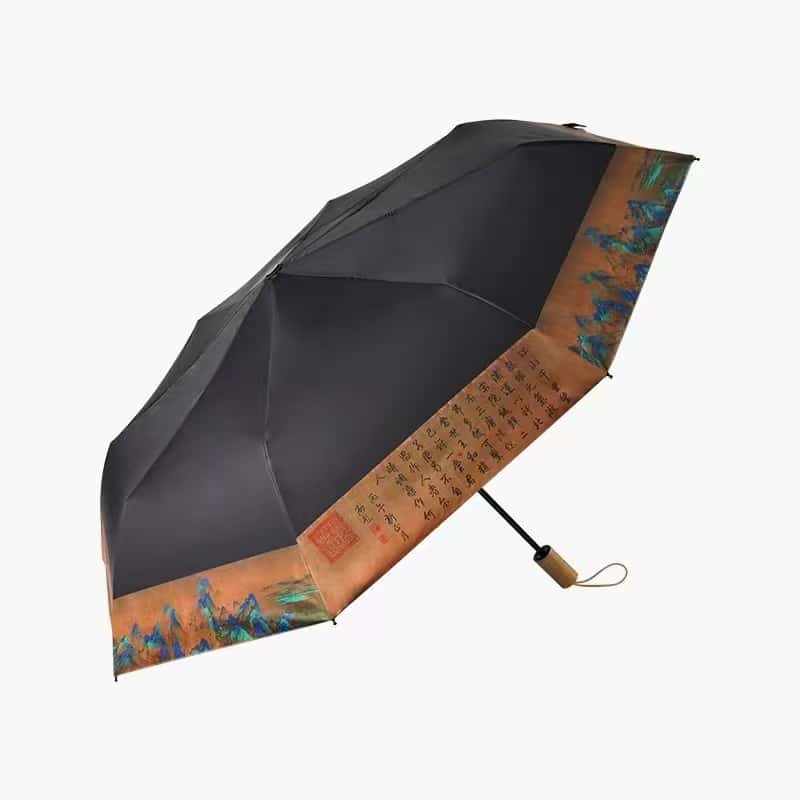
Table of Contents
Decision Summary
If you are sourcing umbrellas for a museum, gallery, or cultural retail program, do not judge the supplier by “can they print?” Judge them by whether they can protect the integrity of the artwork in a curved, stitched, outdoor-use product.
What matters most
- Artwork adaptation: complex art must be mapped across panels before cutting
- Color control: physical sample approval is essential for museum work
- Fabric choice: premium surface = cleaner reproduction + better retail feel
- Retail presentation: sleeve, label, and packaging affect perceived value
Common mistakes
- Using generic umbrella layouts for complex art
- Approving artwork from screen only
- Ignoring panel seam breaks in panoramic or detailed designs
- Choosing low-grade fabric that makes fine art look cheap
1) Why a Museum Umbrella Is Different from a Normal Promotional Umbrella
A standard promotional umbrella usually starts with a logo. A museum umbrella starts with an artwork that already carries meaning, history, and visual structure. That changes the manufacturing problem completely.
In museum retail, the goal is not just visibility. It is interpretation. The umbrella has to feel like a legitimate extension of the collection, not a random product with a famous image dropped onto it.
If an artwork looks “broken,” “too dark,” or “cheaply adapted” on the umbrella, the problem is usually not the art. The problem is that the supplier treated it like a regular logo-print job.
This is exactly why serious museum programs need more than a printer. They need a manufacturing team that understands how panel shape, fabric behavior, and sewing tension affect the final visual result.
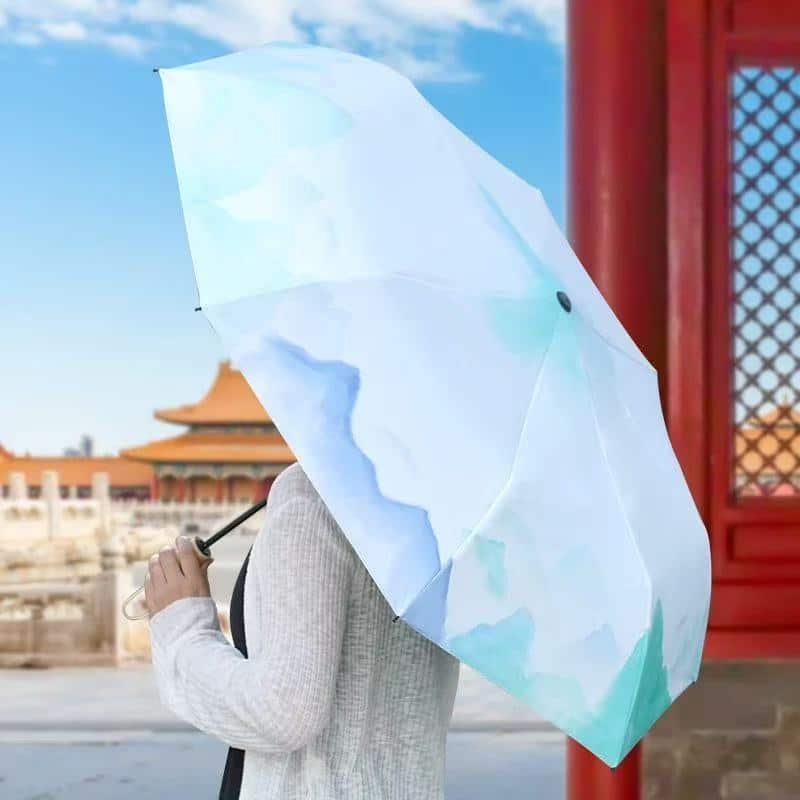
2) Artwork Mapping and Panel Alignment: The Part Most Buyers Don’t See
The hardest part of museum umbrella production is often not printing quality. It is how the artwork is divided across the canopy panels.
A) Why panel alignment matters
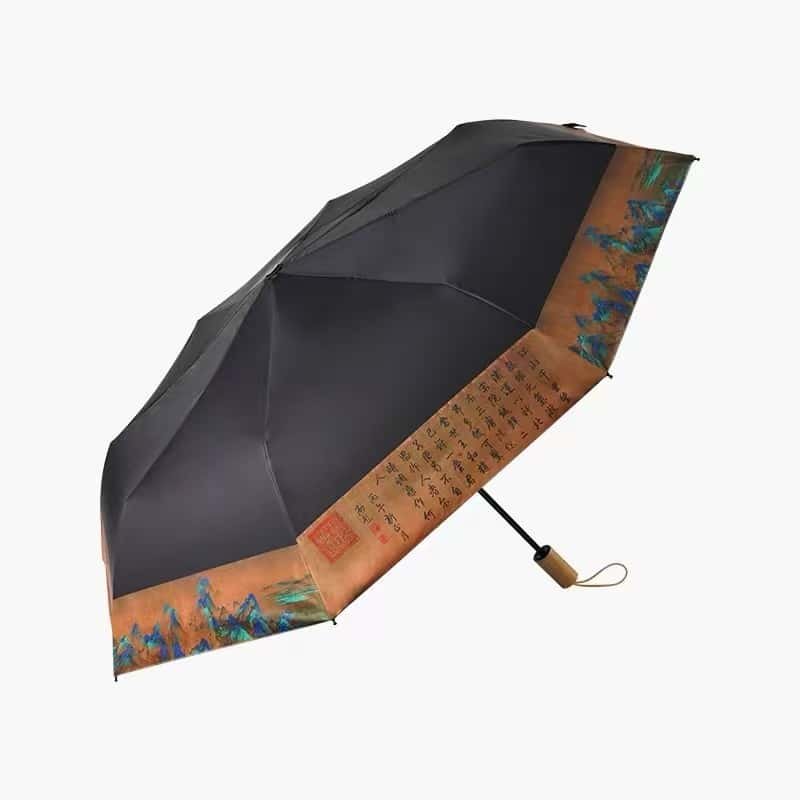
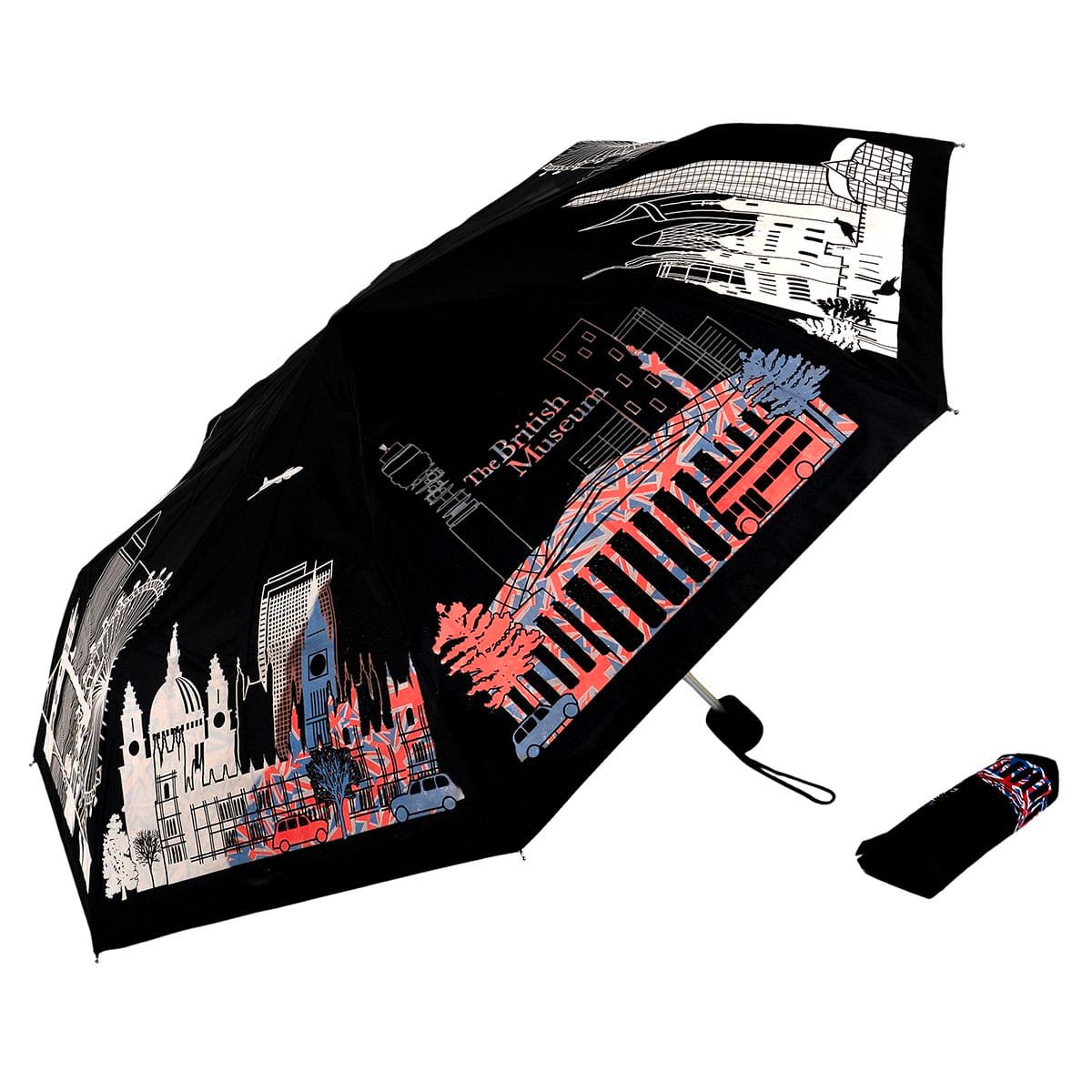
Umbrellas are not flat posters. The image has to pass over multiple triangular panels, seams, and rib positions. Therefore, a panoramic painting, scroll, textile pattern, or architectural motif can easily look interrupted if the layout is handled badly.
B) What a good factory should do
- Segment the artwork panel by panel before printing
- Check key visual lines against seam locations
- Adjust scale for curved canopy geometry
- Confirm alignment through sample review before bulk production
In other words, this is part design work, part engineering. For museum-grade results, artwork has to be rebuilt for the umbrella structure, not simply resized.
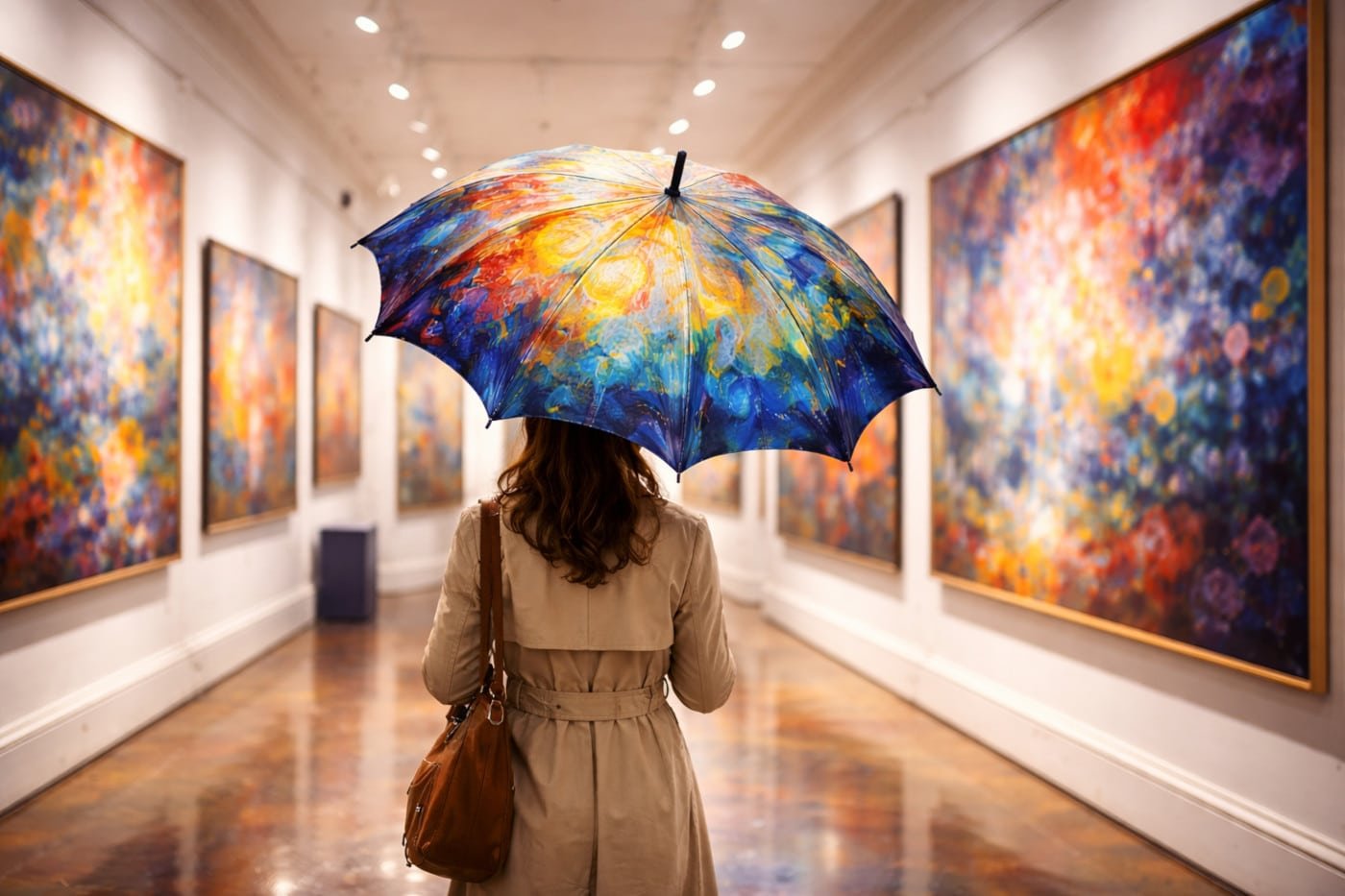
3) Color Control: Museum Clients Usually Care More Than Normal Retail Buyers
Color is where many art-based merchandise projects succeed or fail. Even a small shift can change the feeling of the original piece. Moreover, colors that look correct on a screen may behave very differently once printed on fabric.
Why color shifts happen
- Fabric surface reflects light differently from paper
- Ink behaves differently on coated vs uncoated canopy fabric
- Daylight and factory light show color differently
- Blue, red, and muted historical tones are especially sensitive
How better suppliers control it
- Use Pantone or approved target references when possible
- Send physical sample approvals
- Check critical tones under daylight
- Re-adjust before bulk production if necessary
Museum buyers do not need inflated technical claims. What they need is a controlled workflow. The safest approach is simple: define the visual target, test it physically, and approve it before scale.
Useful internal guide: Pantone Matching on Umbrellas
4) Different Museum Programs Need Different Engineering Solutions
Not every institution needs the same umbrella. In practice, the right solution depends on what kind of artwork you are translating and who the end user is.
| Project Type | Typical Challenge | Recommended Focus |
|---|---|---|
| Historic collections | Subtle tones, fine lines, fragile visual balance | Color restraint, seam planning, premium fabric surface |
| Panoramic or scroll-based art | Long compositions break easily at panel seams | Careful artwork remapping + sample check |
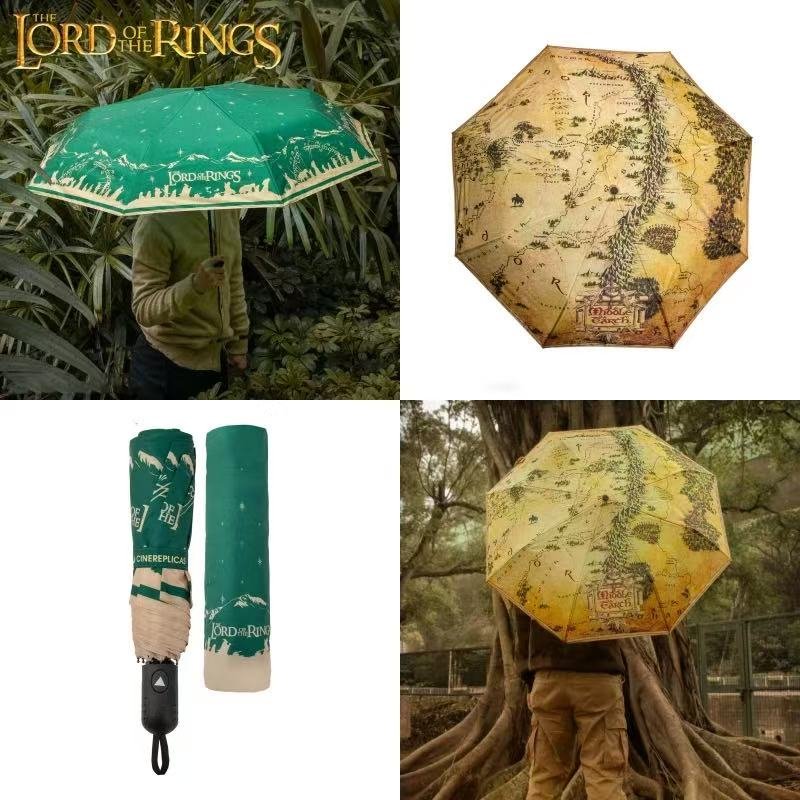
| Contemporary art | Bold colors, edge-to-edge imagery, unusual layouts | Digital print control + clean registration |
| Children’s museum / family retail | Needs energy, durability, and approachable pricing | Strong fiberglass frame + vibrant print + practical format |
This is why one museum umbrella factory brief does not fit every collection. The artwork category should shape the engineering plan.
5) Materials, Sustainability, and Compliance Now Matter More Than Before
Museum retail has changed. Today, institutions care not only about design but also about what the product is made from, how it is packaged, and whether the materials support broader sustainability goals.
A) Fabric choices
- High-density pongee: often the best balance of print clarity, premium feel, and daily usability
- RPET fabric: useful when the institution wants a stronger recycled-material story
B) What museum buyers usually ask now
- Can the fabric support premium artwork reproduction?
- Are recycled options available?
- Can packaging be simplified or made more gift-worthy?
- Can the supplier support the compliance paperwork required by the destination market?
6) Supply Chain Stability Matters for Institutional Buyers
Large museums and cultural retailers do not only need product quality. They also need reliability. Exhibition deadlines, seasonal gift-shop windows, and international replenishment all depend on stable supply.
Therefore, when museum buyers compare suppliers, they should ask more than “Can you make this umbrella?” They should also ask:
- Can you handle repeat orders without visual drift?
- Can you keep artwork files, color references, and packaging standards consistent?
- Can you recommend the right shipping plan for our destination and timeline?
Related internal guide: DDP Shipping for International Orders
FAQ
What makes custom museum umbrellas different from a normal promotional umbrella?
A museum umbrella usually needs more careful artwork adaptation, better color control, and a stronger retail presentation. The goal is not just branding. It is preserving the character of the artwork in a useful object.
Can panoramic or highly detailed artwork really work on an umbrella canopy?
Yes, but only if the artwork is remapped panel by panel before cutting and sewing. Otherwise, important lines or motifs can break at the seams and weaken the design.
What is the best fabric for museum gift-shop umbrellas?
In many cases, high-density pongee is the strongest option because it offers cleaner print results and a more premium hand-feel. RPET can also be a good choice when sustainability is part of the retail story.
How should museums approve color for custom umbrellas?
The safest method is physical sample approval, ideally checked under daylight. Screen previews alone are not enough because fabric and printing method can shift color visibly.
Can custom museum umbrellas be made with sustainable materials?
Yes. Many museum programs now request RPET fabric and more thoughtful packaging options. The right specification depends on the institution’s sustainability goals and required certifications.
What should we send before requesting a quote?
Send the artwork type, target umbrella style, quantity, retail positioning, packaging requirements, and destination. That allows the factory to judge feasibility and recommend the right production route.
Planning Custom Museum Umbrellas Collection?
Send us your artwork concept, target quantity, and retail positioning. We will give you a direct factory-level view on feasibility, likely engineering challenges, and the best production route for the piece.