
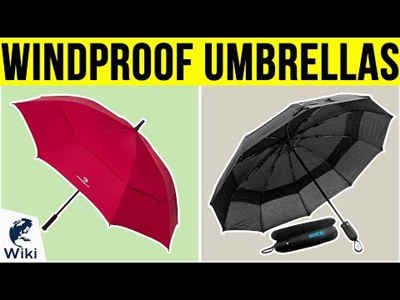
FRAME & TESTING GUIDE
“Windproof” is widely used in umbrella marketing, but no umbrella is immune to every gust, direction or misuse. For a buyer, the useful question is more specific: how is the umbrella designed to manage wind, and how has that exact construction been tested?
What affects wind resistance?
Frame geometry
Rib length, rib profile, stretcher design, joint position and canopy tension work as a system. Simply adding thicker parts can increase weight without solving the weakest point.
Fibreglass components
Fibreglass ribs are commonly used because they can flex and recover better than some rigid metal constructions. Material choice alone is not proof of performance; ferrules, joints, tips and assembly quality still matter.
Vented or double-canopy construction
A vent can allow some pressure to escape through the canopy. Its effectiveness depends on overlap, opening position, panel tension and sewing. A poorly balanced vent may flap excessively or allow rain through.
Canopy size
A large golf umbrella provides more coverage but also presents a larger surface to the wind. The frame and handle must therefore be evaluated together with canopy diameter and intended use.
Inversion is not always failure
Some flexible umbrellas are designed to invert under a gust and return to shape after pressure is released. The important point is whether the ribs, stretchers and joints remain functional. Buyers should agree on the inspection method instead of relying on a marketing label.
How to evaluate a supplier’s claim
• Request the full specification of the tested sample, including size and frame materials.
• Ask whether the test was performed on a finished umbrella or on individual parts.
• Confirm wind speed, duration, direction and test setup.
• Check opening and closing function after the test.
• Use production inspection to verify that bulk goods match the approved sample.
A wind-tunnel figure is only meaningful when the method and tested construction are identified. Results from one model should not automatically be applied to every product in a catalogue.
Choosing a construction by use case
UsePractical priorities
Golf and hospitalityCoverage, grip, frame recovery, manageable weight and optional venting
Daily folding umbrellaWeight, closed length, joint durability and ease of operation
Corporate giveawayReliable everyday construction, usable size and artwork visibility
Exposed outdoor locationSite conditions, user instructions and a test method agreed before production
Questions to include in an RFQ
• Open diameter, rib length and number of panels
• Shaft, rib and stretcher materials
• Single canopy, vented canopy or double canopy
• Manual, automatic-open or automatic-open/close mechanism
• Target weight and packed length
• Required test method and acceptance criteria
• Sample approval and production inspection plan
Frequently asked questions
Does a double canopy make every umbrella wind-resistant?
No. It can help manage pressure when correctly designed, but frame geometry and assembly remain important.
Are more ribs always better?
No. Additional ribs change weight, flexibility and load distribution. The complete construction matters more than rib count by itself.
Can HF Umbrella guarantee performance in every storm?
No responsible manufacturer should make that blanket promise. We can discuss the intended use, prepare a sample and agree on relevant inspection or testing before bulk production.
See our quality-control process for inspection evidence, or review our golf umbrella size and construction guide.