
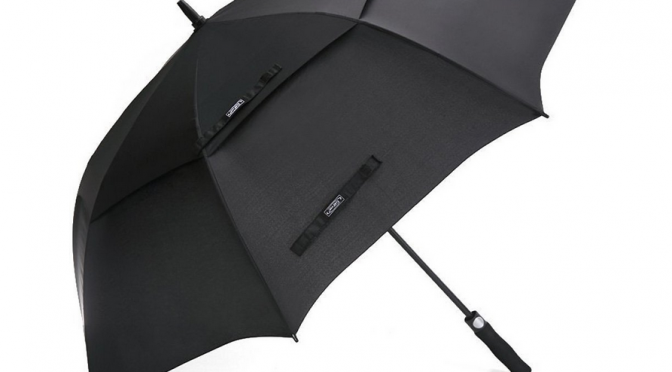
Two umbrellas can look almost identical in a quotation while using different fabric, rib construction, shaft thickness, opening mechanisms and finishing standards. The photographs may match; the risk does not.
A reliable purchase order should define what will be made, how it will be approved and how bulk production will be inspected. Use this checklist before confirming a custom umbrella order.
Table of Contents
Quick Checklist Before You Pay the Deposit
- Approve a complete specification sheet or BOM.
- Confirm how umbrella size is measured.
- Approve artwork, Pantone references and print positions.
- Approve a physical sample or documented limit sample.
- Define functional, safety and performance requirements.
- Agree inspection level, defect classification and acceptance criteria.
- Confirm packaging, carton marks and shipping requirements.
- Require approval before any material or component substitution.

1. Lock the BOM Before Production
The bill of materials should identify the components that affect performance, appearance and cost. A product name such as “premium folding umbrella” is not a specification.
Record at least:
- Umbrella type, opening mechanism, rib count and measurement method.
- Opened diameter, arc measurement, closed length and target weight.
- Shaft material, diameter, wall thickness and finish.
- Rib and stretcher materials, sections and construction.
- Fabric type, weave or density, colour, coating and water requirement.
- Handle, top cap, tips, strap, sleeve, labels and packaging.
- Printing method, number of colours, print positions and artwork version.
“Fibreglass ribs” may mean full fibreglass ribs, fibreglass tips or a mixed construction. “210T pongee” still leaves the fabric weight, coating, colour and finish undefined. Ask for the details that matter to your project.
Change-control rule: The supplier should not replace an approved fabric, frame component, coating, ink, handle or packaging material without written buyer approval. Even a visually similar substitution can change weight, colour, function or test results.
2. Choose Materials by Application, Not by a Universal Ranking
| Component | Possible options | What to evaluate |
|---|---|---|
| Canopy fabric | Polyester, pongee, RPET and specialised coated fabrics. | Print compatibility, colour, hand feel, water performance, UV requirement, weight and budget. |
| Ribs and stretchers | Steel, aluminium, fibreglass or mixed constructions. | Section size, joints, flexibility, weight, corrosion protection and intended wind exposure. |
| Shaft | Steel, aluminium, fibreglass, wood or carbon-fibre construction. | Diameter, wall thickness, locking mechanism, straightness, finish and compatibility with the frame. |
| Handle | ABS, EVA, rubberised finish, wood, bamboo or metal details. | Grip, coating durability, logo method, fit, odour, colour and intended brand position. |
Higher fabric density or more fibreglass does not automatically make every umbrella better. A travel umbrella may prioritise weight; a golf umbrella may prioritise coverage and flexibility; a promotional project may prioritise cost and print visibility.
3. Approve a Physical Sample and Limit Standards
A digital mock-up confirms layout, not production quality. Before bulk production, approve a physical sample whenever the project’s colour, mechanics, construction or packaging is important.
Sample approval should record:
- Product dimensions and weight.
- Frame components and opening mechanism.
- Fabric, coating, colour and print method.
- Logo position, size, orientation and acceptable colour tolerance.
- Stitching, panel alignment, strap, sleeve and labels.
- Packaging method and included accessories.
Keep an approved sample for comparison during production and final inspection. Where a cosmetic difference is difficult to describe, create a limit sample showing what is acceptable and unacceptable.
For artwork preparation and sample approval details, see our custom umbrella artwork and printing guide.
4. Define Functional and Safety Checks
The appropriate checks depend on the umbrella type and destination market. A compact automatic umbrella and a commercial patio umbrella do not share the same risk profile.
Common functional checks include:
- Smooth opening, locking, closing and reopening.
- Automatic open/close operation where applicable.
- Anti-rebound function where specified.
- Shaft straightness, runner movement and secure joints.
- Tip, top cap and handle attachment.
- Canopy tension, panel alignment and absence of interference with ribs.
- Repeated opening-and-closing tests using an agreed method and cycle count.
For children’s products or regulated markets, confirm applicable mechanical, chemical, labelling and documentation requirements before production. Do not assume a general umbrella test covers every destination market.
5. Treat Wind Claims Carefully
No umbrella is universally windproof. Full fibreglass ribs and vented double canopies can be useful in selected designs, but performance depends on the complete frame, rib sections, joints, shaft, canopy fit and test method.
If wind performance is commercially important, define the test setup and acceptance criteria. Do not approve the claim from a material name or a demonstration in uncontrolled conditions.

6. Inspect Printing and Colour Separately From the Frame
A mechanically sound umbrella can still fail brand approval because of incorrect colour, reversed artwork, poor registration or inconsistent print position.
- Identify the approved artwork filename and revision.
- Define which panel faces outward and the correct reading direction.
- Record Pantone references or approved printed swatches.
- Check print size and position against measurable tolerances.
- Inspect smudging, colour contamination, pinholes, missing ink and visible banding.
- Agree an appropriate adhesion, rub or wash test if required for the print system.
For colour-control details, read our Pantone colour-matching guide and digital umbrella printing guide.
7. Agree AQL and Defect Classification
AQL inspection uses a sampling plan; it does not mean every unit is inspected. The buyer and supplier should agree the inspection standard, lot size, inspection level, AQL values and defect definitions before production.
For many general consumer-goods inspections, buyers may use AQL 2.5 for major defects and 4.0 for minor defects, but these values are not universal. Critical safety defects normally require stricter treatment, and project-specific requirements take priority.
| Defect class | Typical meaning | Umbrella examples |
|---|---|---|
| Critical | Creates an unacceptable safety or regulatory risk. | Sharp exposed parts, prohibited substances or a serious mechanism hazard. |
| Major | Affects intended use, saleability or an important approved requirement. | Umbrella will not open, wrong material, serious print error, broken rib or incorrect size. |
| Minor | Small workmanship or appearance issue that does not materially affect normal use. | Minor loose thread, small cosmetic mark or slight non-critical alignment variation. |
The examples above are starting points. Build the final defect list around the product, market and approved sample.
8. Check Packaging and Carton Information
Packaging errors often appear after product inspection is complete. Include packaging in the approved specification.
- Individual sleeve, polybag, paper band or gift box.
- Warning labels, barcodes, country-of-origin marking and product labels.
- Quantity per inner box and export carton.
- Carton dimensions, gross weight and net weight.
- Shipping marks, SKU, colour and design identification.
- Protection against rubbing, moisture and movement during transport.
If the order contains several designs or delivery locations, define the assortment and carton allocation before packing starts.
9. Use Pre-Shipment Evidence and Inspection
Before authorising shipment, review the agreed evidence:
- Production and packing photographs.
- Inspection report and defect summary.
- Function-test records where required.
- Laboratory reports tied to the relevant material or production lot, when applicable.
- Final carton count, dimensions and weights.
- Shipping documents and destination-specific marks.
For higher-risk or larger orders, arrange an independent pre-shipment inspection. Inspection does not replace a clear specification; it verifies against one.
10. MOQ and Typical Lead Times
Selected custom umbrella styles can start from 25 pieces per design. Exact MOQ depends on the frame, fabric, printing method, number of designs and level of customisation.
- Physical sample: normally 3–5 days after specifications and artwork are confirmed.
- Standard bulk production: normally 15–20 days after sample approval and deposit.
- Additional time: testing, custom moulds, special packaging or complex material sourcing can extend the schedule.
Review the complete custom umbrella manufacturing process, browse our umbrella categories, or see our custom umbrella case studies.
FAQ: Umbrella Quality Control
Is 210T pongee always better than 190T polyester?
No. The correct fabric depends on printing, appearance, weight, water requirement, budget and application. Density alone does not define complete fabric quality.
Are full fibreglass ribs always necessary?
No. They are useful for selected flexible and larger constructions, but a good result depends on the complete frame design. Compact and lightweight umbrellas may use mixed materials.
Does a vented canopy make a golf umbrella windproof?
No. Venting can help manage pressure in some designs, but it does not remove inversion or damage risk. The entire frame and test method must be considered.
What should an approved sample control?
It should record dimensions, materials, function, colour, printing, sewing, accessories and packaging. Keep the signed or documented sample available for bulk comparison.
Does AQL inspection check every umbrella?
No. AQL normally uses a statistically selected sample from the production lot. Agree the sampling plan and defect criteria before inspection.
Need Help Reviewing an Umbrella Specification?
Send us your use case, quantity, target market, artwork and existing specification. We will identify missing details before sampling and quotation.