
A leading umbrella manufacturer since 1987
Custom Umbrellas | Low MOQ & Full-Canopy Printing
We help brands, museums, universities, hotels and promotional companies design and manufacture high-quality custom umbrellas with your logo.
Planning a larger program? Review the Custom Umbrella Procurement Benchmark 2027 for MOQ, sampling, lead-time and delivery data.
Pantone Color Matching
OEM & ODM Service
Worldwide Shipping
Industries We Serve
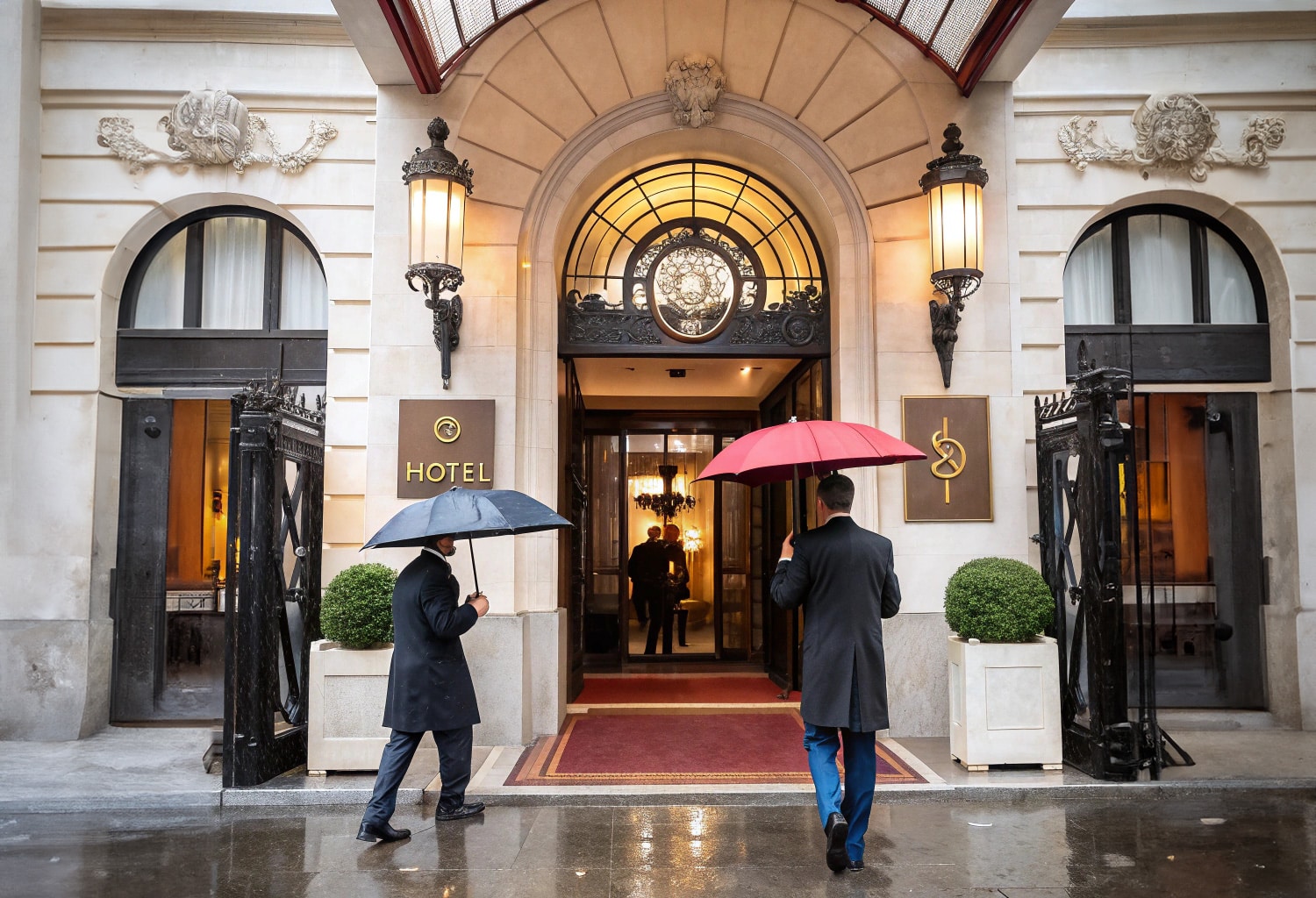
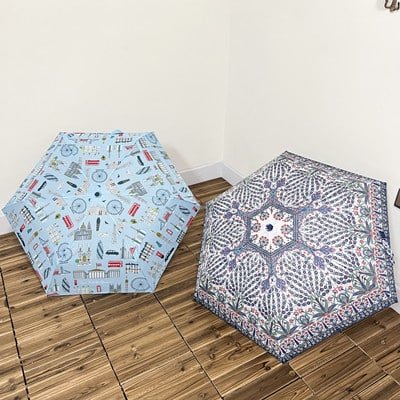
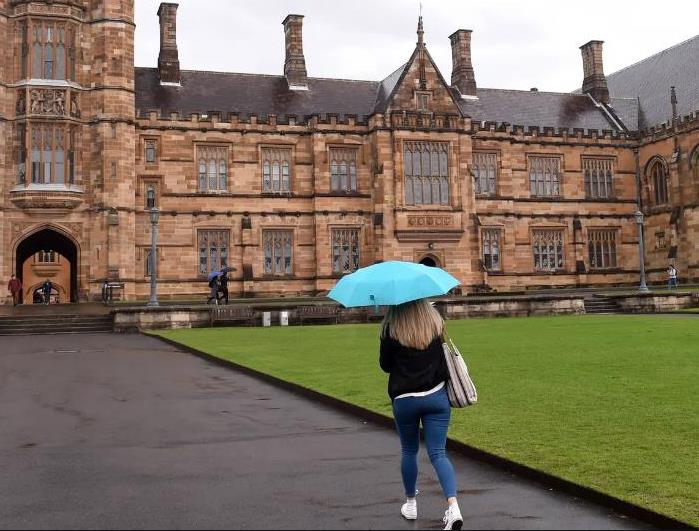
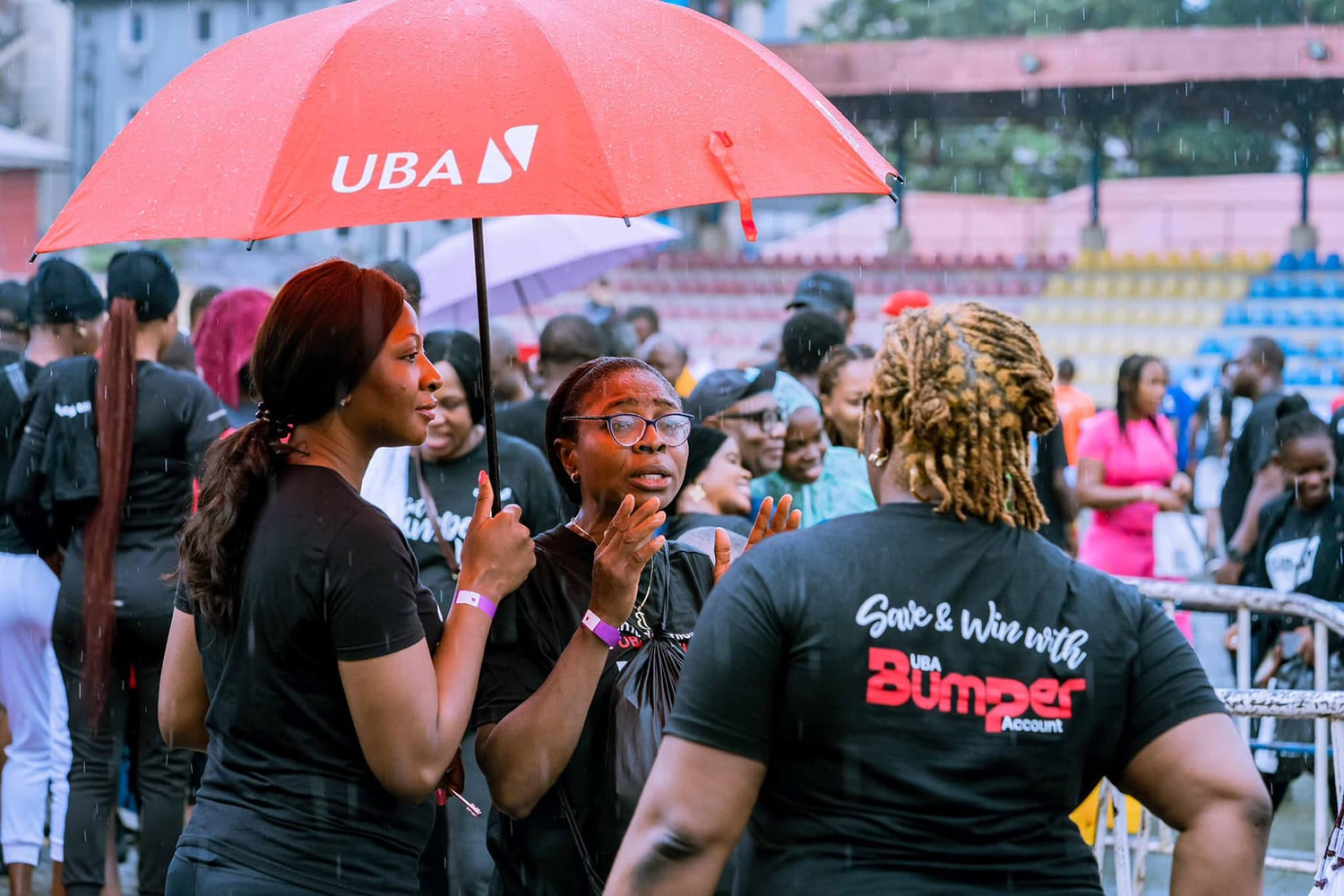


Selected Projects and Umbrella Applications
The British Museum Umbrella Project
Museum retail project UK
Custom art umbrellas developed for a museum retail collection.
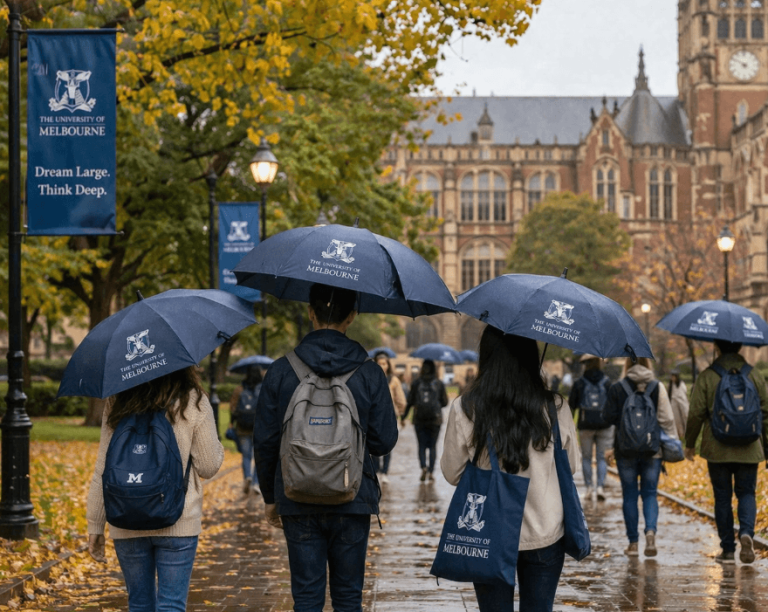
University Welcome-Kit Umbrellas
Application example
Custom umbrellas for student welcome kits and campus programmes.
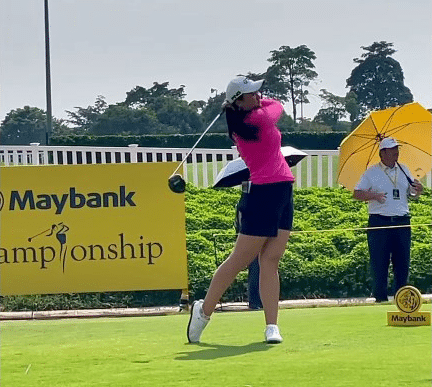
Golf Tournament Umbrellas
Application example
Branded golf umbrellas for tournaments, clubs and sponsors.
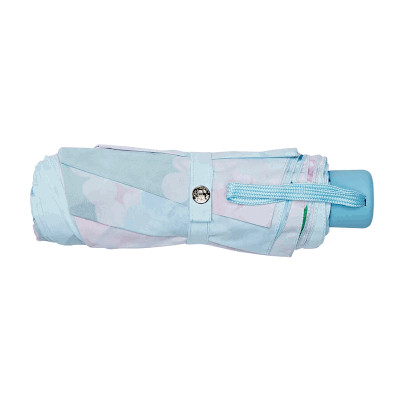
Corporate Gift Umbrella Applications
Application example
Custom-branded umbrellas for client gifts and employee programmes.
Plan Your Custom Umbrella Specification
Offering a great selection of personalized umbrellas designed to fit any promotion, style, and budget.
HF Umbrella is an umbrella manufacturer in China with production experience dating back to 1987. This page covers the options for your custom order, from compact folding styles to golf umbrellas.
For a closer look at production, visit our umbrella factory tour and quality-control process.
Send your intended use, quantity per design, artwork, destination and required arrival date. We will review the construction, printing options and sample requirements with you.
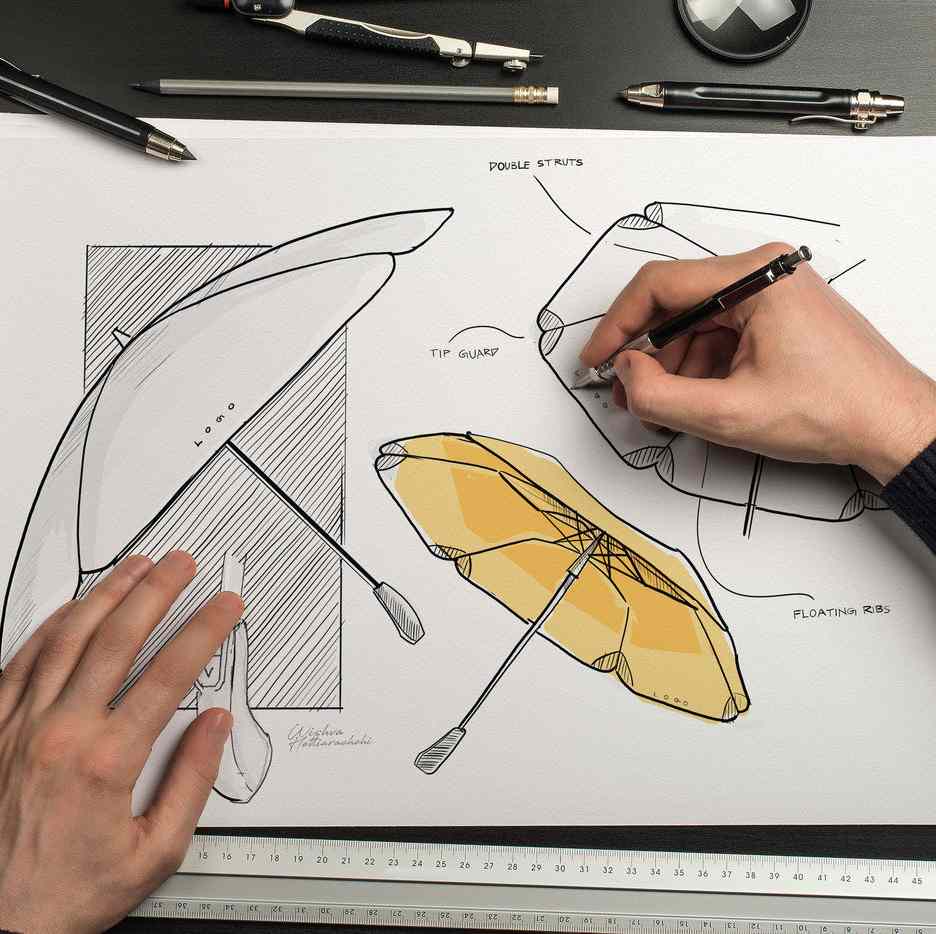
How to Design Custom Umbrellas?
Here are a few tips on how you can design the perfect custom umbrella.
- Choose a
Size
Confirm rib length, open diameter and closed length. - Choose the
Type
Choose the umbrella type that fits your needs. - Choose the
Material
Pick the best materials for durability and style. - Choose the
Design
Add your logo, graphics and create your unique design. - Align Patterns
Across Panels
Ensure patterns are aligned across the umbrella panels.
Instructions for Better Design
- Logo artwork: AI, CDR or editable vector PDF files are preferred.
- Full-panel artwork: Supply images at the final print size with at least 200 DPI. We will provide the correct panel template.
- Colours: Include Pantone (PMS) references where accurate brand-colour matching is required.
Personalized Umbrellas Design Template
What Makes Us Special!
 MOQ From 25 pcs on selected styles
- Delivered Straight From the Factory
- Extensive Variety of Sizes and Designs
- Premium, High-Quality Materials
- Precision Engineering and Craftsmanship
- RPET Fabric Options: Confirm Order-Specific Documentation
- Long-Lasting, Durable Products
- Order-Specific Testing and Documentation
- Fast Sampling and Flexible Delivery Options
- Fast Printing and Delivery Services
 MOQ From 25 pcs on selected styles
Knowledge Center
How to Choose the Right Custom Umbrella?
Complete guide to help you choose the best umbrella for your brand.
Custom Umbrella Logo Printing Guide
Printing method, artwork requirements and best practices.
Frequently Asked Questions
Ready to Create Your Custom Umbrella?
Whether you need golf umbrellas, promotional umbrellas, hotel umbrellas or corporate gifts, HF Umbrella is your reliable manufacturing partner in China.
Samples: 3–5 Days